
TOP 5 WIRELESS MICS 2026 – WHICH ONE IS RIGHT FOR YOU?

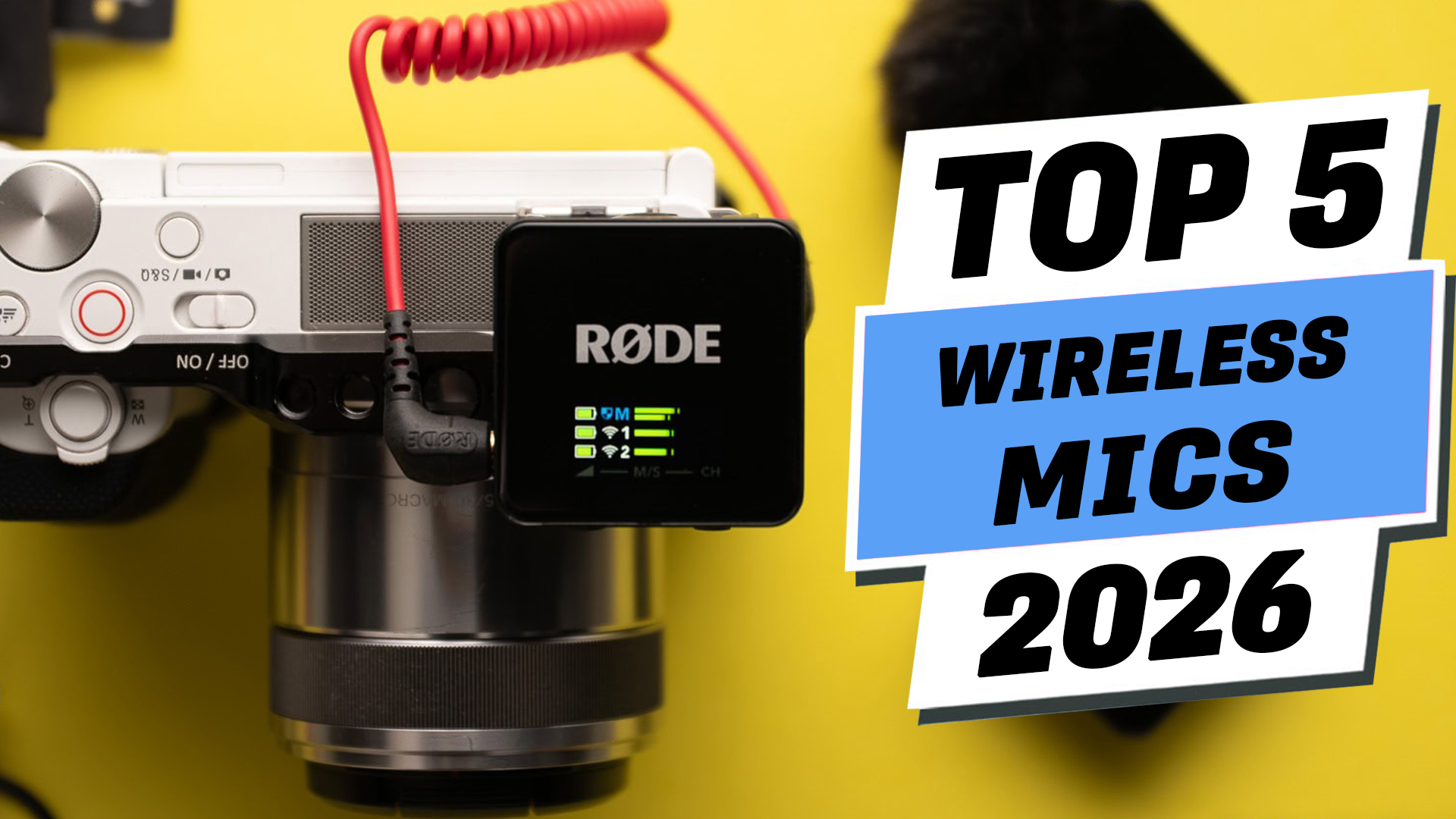
If you’re looking for the best wireless microphone in 2026, you’re in the right place. A great camera can give you sharp video, but if your audio isn’t clear, people are much more likely to click away. That’s why choosing the right wireless mic is one of the smartest upgrades you can make, whether you’re just starting out or creating content every week.
In today’s guide, we’re counting down the 5 best wireless microphones you can buy this year. We compared them based on audio quality, wireless performance, battery life, ease of use, features, overall value, and who each one is actually made for. Some are perfect if you’re on a tight budget and want clean, reliable sound right out of the box. Others are built for creators who need advanced features for interviews, vlogs, filmmaking, podcasts, or professional productions.
The good news is that wireless microphones have improved a lot in 2026. Even affordable models now offer features that used to be available only on premium systems, including AI-powered noise cancellation, longer wireless range, better battery life, and app controls that make recording easier than ever. But not every microphone is the right fit for every creator, and spending more doesn’t always mean you’re getting the best value.
That’s exactly what this guide is here to help with. We’ll break down our top five picks, highlight what makes each one stand out, point out a few honest drawbacks, and help you decide which model fits your budget and the way you create content. By the end of this countdown, you’ll know which wireless microphone deserves your money in 2026.
Alright, let’s get started.
5. BOYA Mini 2
Pros:
- Very lightweight and comfortable to wear
- Clean 24-bit audio with two-mode AI noise cancellation
- Built-in safety track helps prevent distorted recordings
- Up to 30 hours of battery life with the charging case
- Easy app controls for gain and EQ adjustments
Cons:
- Digital receiver isn’t compatible with every camera
- Best suited for phone creators rather than full camera setups
Overall, the BOYA Mini 2 offers excellent value for everyday content creators. If you mainly shoot on an iPhone or Android device and want professional audio without spending a fortune, this is an easy recommendation.

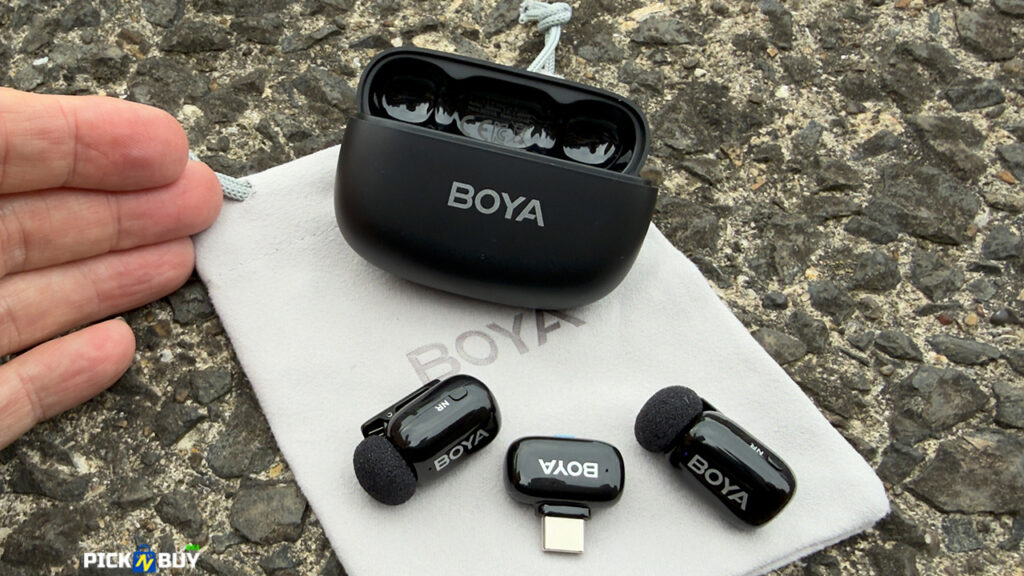
If you’re a mobile creator looking for an affordable wireless microphone that delivers clean, reliable sound, the BOYA Mini 2 is a great place to start. It’s incredibly lightweight at just 5 grams, so it’s barely noticeable when clipped to your shirt. Audio comes through in clear 24-bit quality, and the two-mode AI noise cancellation lets you switch between stronger background noise reduction or a more natural sound depending on where you’re recording. It also includes a built-in limiter and a -12 dB safety track, which helps protect your recordings from sudden loud sounds. Through the BOYA Central app, you can adjust gain, EQ, and keep the firmware up to date with just a few taps.
4. Hollyland Lark M1
Pros:
- Outstanding 54-hour total battery life
- Clear 24-bit audio with three-level noise cancellation
- Compact, low-profile design that’s easy to wear
- Auto limit helps reduce clipping
- Useful app controls for EQ, gain, and reverb
Cons:
- Slightly heavier than some ultra-light competitors
- Wireless range isn’t the longest in this roundup
Overall, the Hollyland Lark M1 is a dependable choice for creators who spend long hours recording. If battery life and reliability matter more than shaving off a few grams of weight, this microphone delivers excellent value.
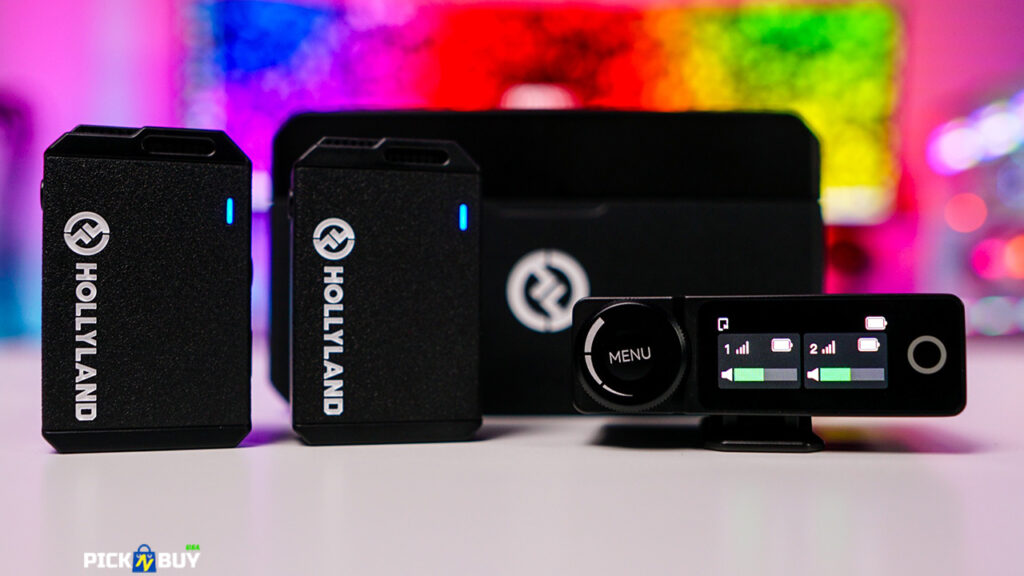
If long battery life is high on your priority list, the Hollyland Lark M1 is one of the strongest options in its price range. The compact transmitter is slim enough to stay discreet on camera while delivering clear 24-bit audio with intelligent three-level noise cancellation. What really makes this mic stand out is its impressive endurance. You get up to 9 hours from each transmitter and as much as 54 hours with the charging case, making it ideal for travel, events, or full-day shoots. The companion app also lets you adjust EQ, gain, and reverb, while the auto limit feature helps keep your audio levels consistent without constant monitoring.
3. Maono Wave T5
Pros:
- Dedicated ENC chip provides more effective noise reduction
- 14 levels of adjustable noise cancellation
- Long 300-meter wireless range with stable transmission
- Multiple receiver options for phones and cameras
- Can charge your phone while recording
Cons:
- Larger transmitter than some compact budget models
- Total battery life is lower than a few competitors in this list
Overall, the Maono Wave T5 is an excellent choice for creators who can’t always control their recording environment. If clean audio in challenging conditions is your top priority, this microphone delivers features that are hard to find at its price point.
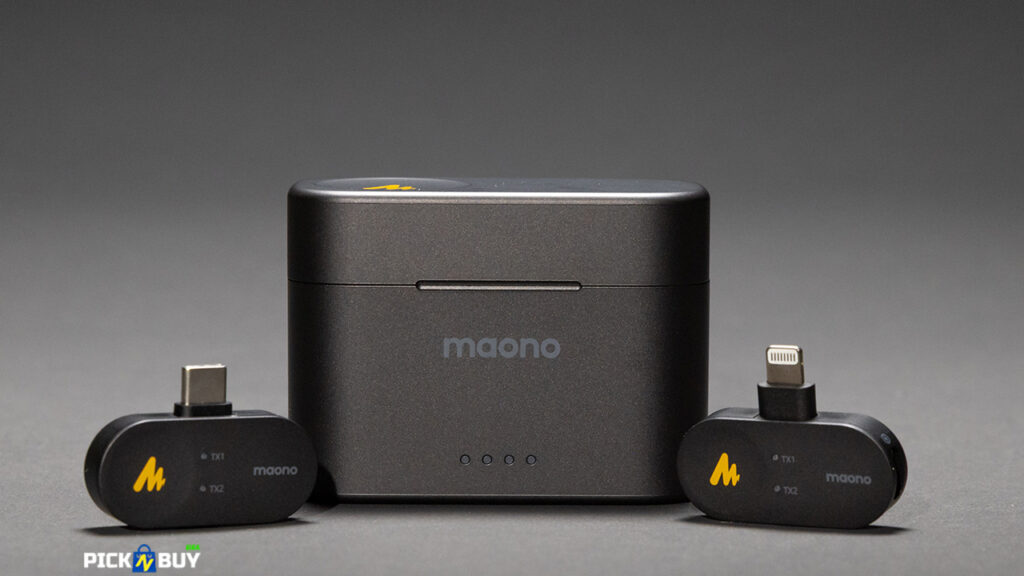
If you regularly record in busy streets, crowded events, or noisy public places, the Maono Wave T5 is built for exactly those situations. Instead of relying only on software, it uses a dedicated ENC chip for hardware-based noise reduction, giving you much more control over your recordings. Through the Maono Link app, you can fine-tune noise cancellation with three modes and 14 adjustment levels to match your environment. It also delivers clear 24-bit audio, offers a wireless range of up to 300 meters, and includes multiple receiver options for phones and cameras. The ability to charge your phone while recording is another thoughtful feature for longer shooting sessions.
2. RØDE Wireless GO Gen 3
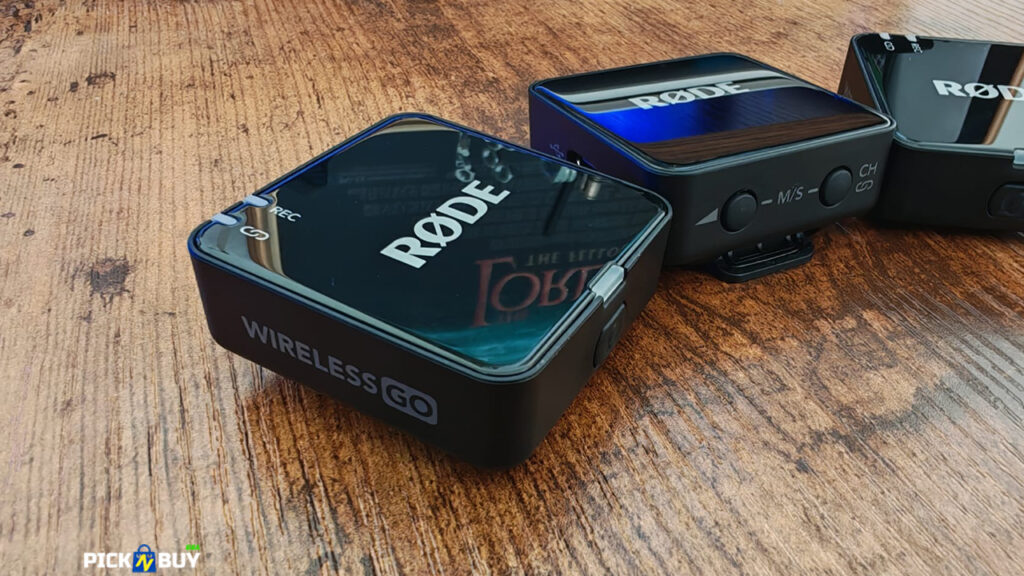
Pros:
- 32-bit float backup recording with 32 GB internal storage
- Excellent wireless range and reliable signal stability
- Intelligent Gain Assist makes setup much easier
- Supports external lavalier microphones
- Great choice for professional video production
Cons:
- More expensive than entry-level wireless mics
- 7-hour battery life per transmitter is shorter than some competitors
Overall, the RØDE Wireless GO Gen 3 is one of the safest investments for serious creators. Its backup recording alone can prevent costly mistakes, making it an excellent choice for anyone who can’t afford to lose important audio.
For creators who take their content seriously, the RØDE Wireless GO Gen 3 brings several professional features that can save an entire shoot. The biggest highlight is the built-in 32 GB of internal storage with 32-bit float backup recording. If your wireless signal drops or your audio clips, you’ll still have a high-quality backup recorded directly on the transmitter. It also offers improved Series IV wireless transmission with a long operating range, intelligent Gain Assist that automatically sets audio levels, and support for external lavalier microphones. Whether you’re filming weddings, documentaries, interviews, or YouTube videos, this system is designed to deliver dependable results every time.
1. DJI Mic 3
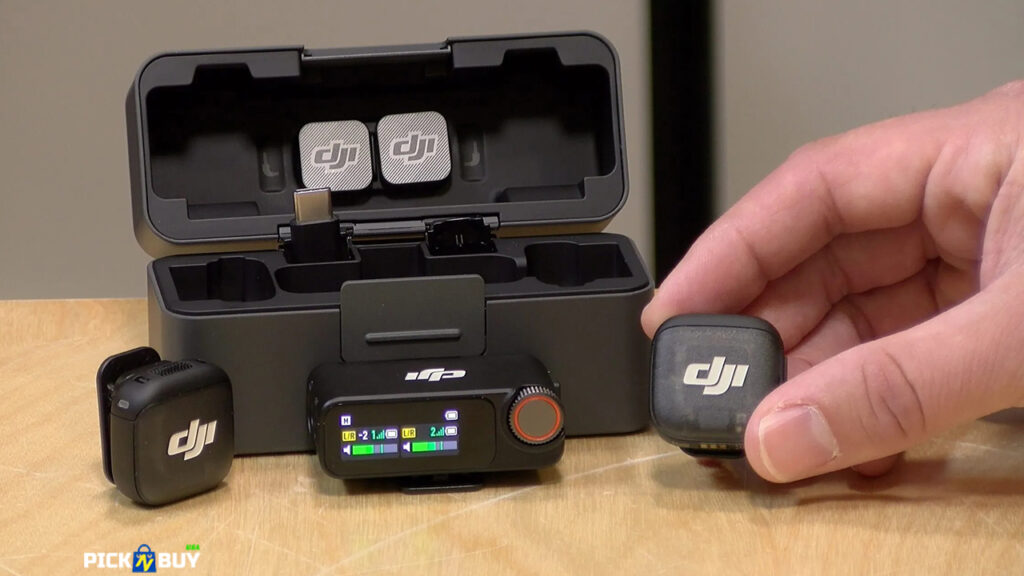
Pros:
- Outstanding 32-bit float recording with 32 GB internal storage
- Longest wireless range in this roundup
- Adaptive gain control reduces manual adjustments
- Integrated timecode and AMOLED touchscreen
- Seamless integration with compatible DJI cameras and gimbals
Cons:
- Premium price compared to most alternatives
- Many advanced features are most valuable for experienced creators
Overall, if you want the most capable wireless microphone available in 2026, the DJI Mic 3 stands above the competition. It offers exceptional audio quality, professional-grade features, and reliable performance, making it the best choice for filmmakers, content creators, and anyone who refuses to compromise on sound.
Taking the top spot is the DJI Mic 3, and it’s easy to see why. This is the most complete wireless microphone system in this roundup, combining outstanding audio quality with features designed for demanding productions. It records in 32-bit float while also supporting 48 kHz 24-bit lossless audio, giving you excellent flexibility during editing. The adaptive gain control automatically balances quiet and loud voices, so you spend less time adjusting levels and more time focusing on your shoot. With dual-band transmission reaching up to 1,312 feet, 32 GB of built-in storage per transmitter, integrated timecode support, an AMOLED touchscreen, and direct connection to compatible DJI cameras through Osmo Audio, it delivers a level of convenience that’s hard to match.
So, those are our picks for the 5 best wireless microphones you can buy in 2026. Whether you’re looking for an affordable mic for your first YouTube channel, a reliable option for daily vlogging, or a professional system for filmmaking and client work, there’s a microphone on this list that fits both your budget and your workflow.
If you’re after the best value, the Hollyland Lark M1 offers an excellent balance of performance, battery life, and price. If you record in noisy environments and need more control over your audio, the Maono Wave T5 is a fantastic choice. For creators who need professional backup recording and dependable performance, the RØDE Wireless GO Gen 3 is hard to beat. And if you want the most advanced wireless microphone system with top-tier features and outstanding reliability, the DJI Mic 3 easily earns our number one spot.
We hope this guide helped narrow down your options and made your buying decision a little easier. If it did, let us know which microphone is your favorite in the comments below. And if you’re already using one of these, we’d love to hear about your experience.
Thanks for reading, and we’ll see you in our next buyer’s guide.