
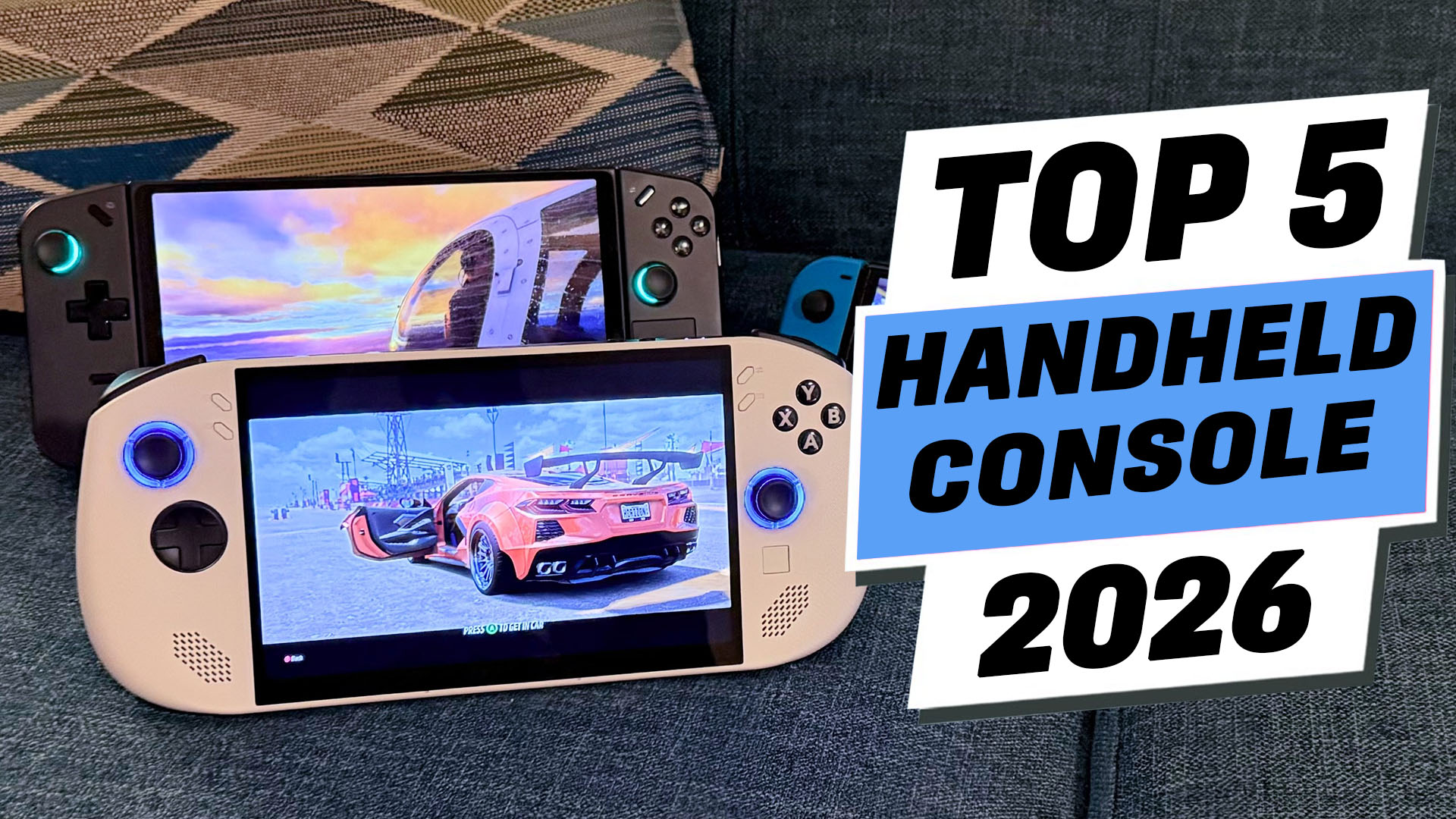
If you’re planning to buy a handheld gaming console in 2026, you’ve probably realized there are more choices than ever before. From affordable hybrid consoles and Android-based gaming devices to powerful handheld PCs that can run modern AAA games, the options are exciting, but they can also be confusing. The truth is, the most expensive console isn’t always the best one for every player. The right choice depends on the kinds of games you enjoy, how you plan to use it, and how much you’re willing to spend.
In this guide, we’re taking a close look at five of the best handheld gaming consoles available this year. Each one offers something different. Some are perfect for Nintendo fans who want exclusive games and a flexible hybrid design. Others are built for retro gaming enthusiasts, cloud gaming, and Android titles with incredible battery life. And if you’re looking for desktop-level gaming performance in a portable device, we’ll also cover some of the most powerful handheld gaming PCs on the market today.
Rather than focusing only on technical specifications, we’re going to talk about what these consoles are actually like to use in everyday gaming. We’ll cover their biggest strengths, the areas where they fall short, who they’re best suited for, and whether they truly offer good value for the money. Whether you’re a casual player who wants something fun for short gaming sessions, a competitive gamer looking for smooth performance, or someone who wants to take their entire PC game library on the go, there’s a console here that fits your needs.
We’ll also compare important features like display quality, comfort, battery life, gaming performance, software experience, portability, and overall value so you can make an informed decision before spending your money.
By the end of this guide, you’ll know which handheld console deserves your attention and which one makes the most sense for your budget and gaming style.
So, if you’re ready to find the perfect handheld gaming console for 2026, let’s dive into our top five picks and see which one comes out on top.
5. Nintendo Switch 2
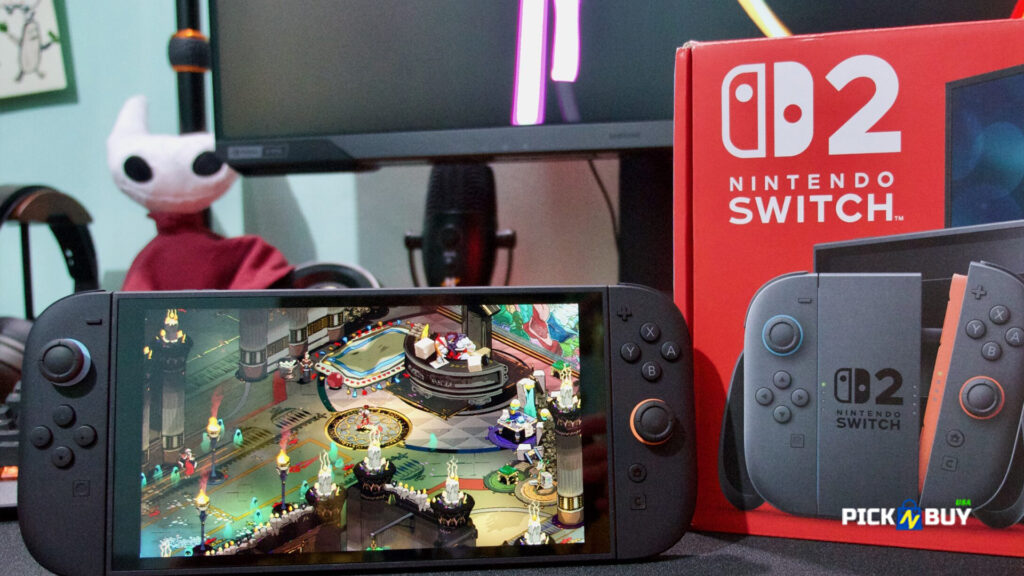
Pros:
- Hybrid design works as both a handheld and home console
- Large 7.9-inch Full HD 120Hz display with HDR support
- Much faster performance than the original Switch
- Detachable Joy-Con controllers with new mouse functionality
- Supports 4K output when docked
- Expandable storage via microSD
Cons:
- LCD display instead of OLED
- Battery life is shorter with demanding games
- Less powerful than the handheld PCs higher on this list
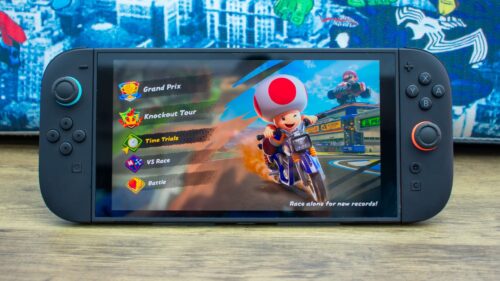
The Nintendo Switch 2 is a great choice if you want a fun, easy-to-use console that lets you play both at home and on the go. It keeps the hybrid design that made the original so popular, with detachable Joy-Con controllers and the ability to dock it to your TV. The larger 7.9-inch Full HD display with a 120Hz refresh rate makes games look smoother, while the upgraded Nvidia processor delivers a noticeable boost in performance. It’s still not the most powerful handheld on this list, but it handles Nintendo’s latest games much better than its predecessor. If you’re a Nintendo fan or someone who enjoys casual gaming with friends and family, this console is an excellent fit. The biggest downside is its LCD screen, which doesn’t offer the deep blacks and contrast of an OLED panel, and battery life can drop quickly in demanding games. Overall, the Switch 2 is a well-rounded upgrade that improves nearly every part of the original while keeping everything people already loved about it.
4. Odin 3
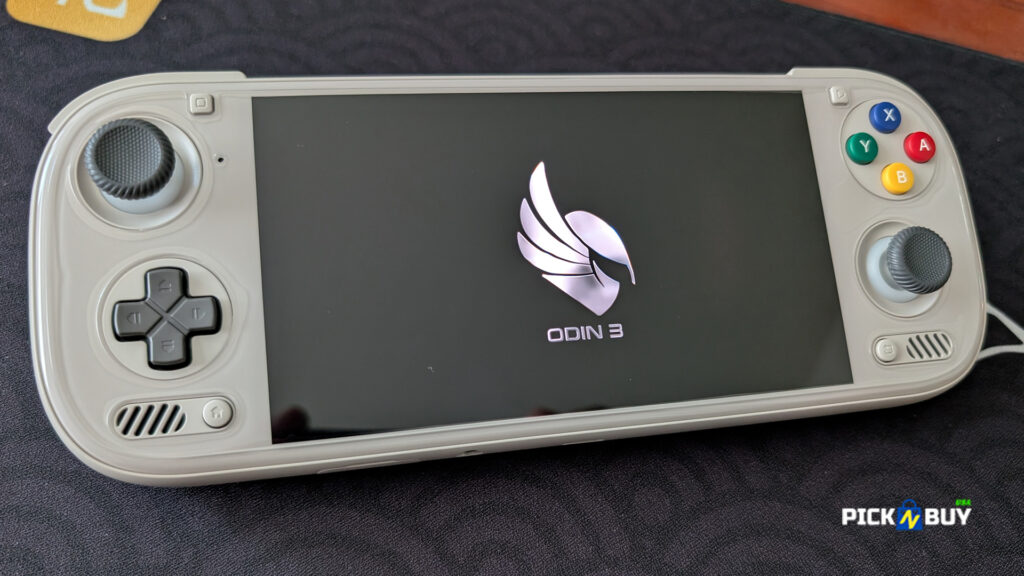
Pros:
- Beautiful 6-inch Full HD AMOLED 120Hz display
- Excellent battery life with 8,000mAh battery
- Powerful Snapdragon 8 Elite processor
- Great for retro emulation, Android games, and cloud gaming
- Lightweight and comfortable to hold
- Expandable storage with microSD support
Cons:
- Not built for native PC gaming
- Harder to find than more mainstream handheld consoles
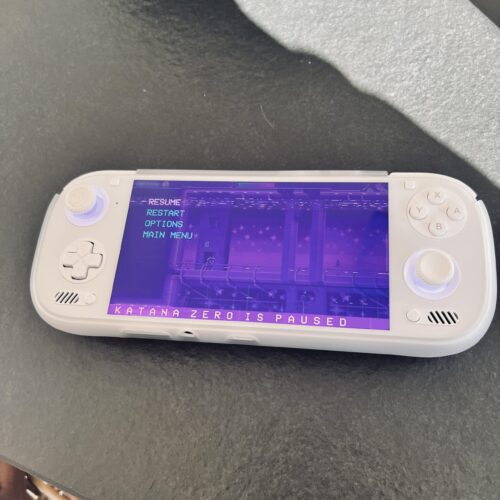
If your main focus is retro gaming, Android games, or cloud gaming, the Odin 3 is one of the most versatile handhelds you can buy. Instead of running a traditional console operating system, it uses Android, giving you access to mobile games while also making it a fantastic choice for emulating classic systems. Its 6-inch Full HD AMOLED display delivers vibrant colors, deep blacks, and a smooth 120Hz refresh rate, making games look fantastic. Powered by the Snapdragon 8 Elite processor, it has more than enough performance for demanding mobile titles and can emulate systems like the PSP, GameCube, and PlayStation 2 with ease. The large 8,000mAh battery also means you can enjoy longer gaming sessions without constantly searching for a charger. It’s best for players who want maximum flexibility in a lightweight device. The biggest drawback is that it’s not designed for native PC gaming, and it’s less widely available than the bigger brands. Overall, the Odin 3 offers excellent value for anyone who loves retro gaming and Android-based entertainment.
3. Lenovo Legion Go S
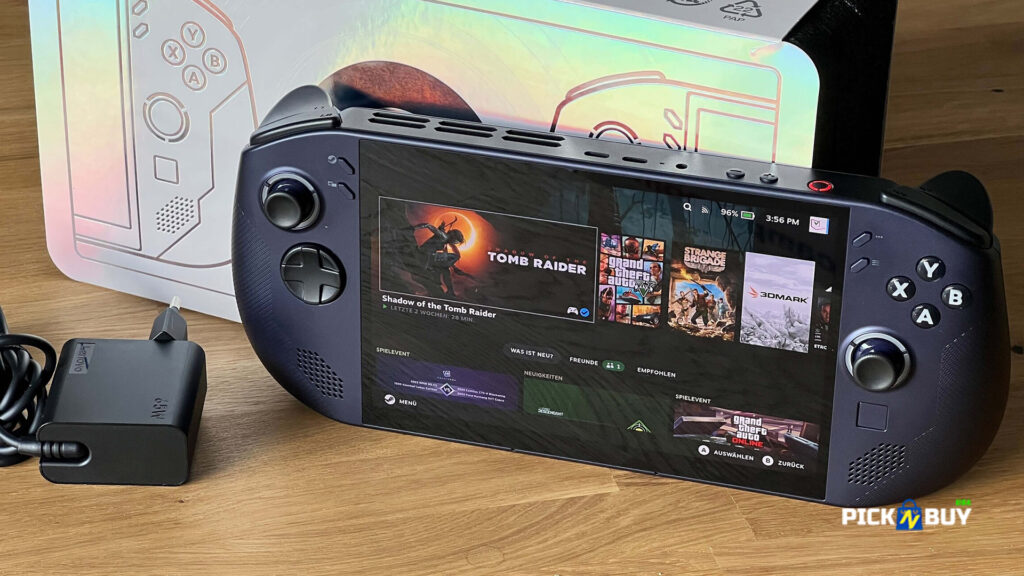
Pros:
- Strong gaming performance with AMD Ryzen Z1 Extreme
- Large 8-inch Full HD 120Hz touchscreen
- Hall Effect joysticks resist stick drift
- SteamOS offers a smooth handheld gaming experience
- Expandable storage via microSD
- Dual USB-C ports support monitors and external GPUs
Cons:
- Controllers cannot be detached
- Battery life varies significantly with demanding games
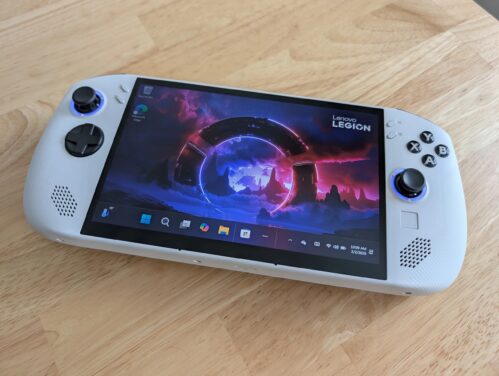
If you’re looking for a handheld that feels like a gaming PC without spending flagship money, the Lenovo Legion Go S is an excellent option. It delivers a great balance of performance, comfort, and value, especially if you choose the SteamOS version, which offers a much smoother experience than Windows for handheld gaming. Its large 8-inch 120Hz display is bright and sharp, while the AMD Ryzen Z1 Extreme processor provides noticeably better performance than the Steam Deck in many games. The Hall Effect joysticks also help prevent stick drift over time, making the controls feel more reliable. This console is ideal for players who want to enjoy their PC game library in a portable format without jumping into the highest price range. The biggest downside is that the controllers aren’t detachable like the original Legion Go, and battery life still depends heavily on the games you play. Overall, the Legion Go S is a powerful, well-rounded handheld that delivers impressive performance at a competitive price.
2. ASUS ROG Xbox Ally X
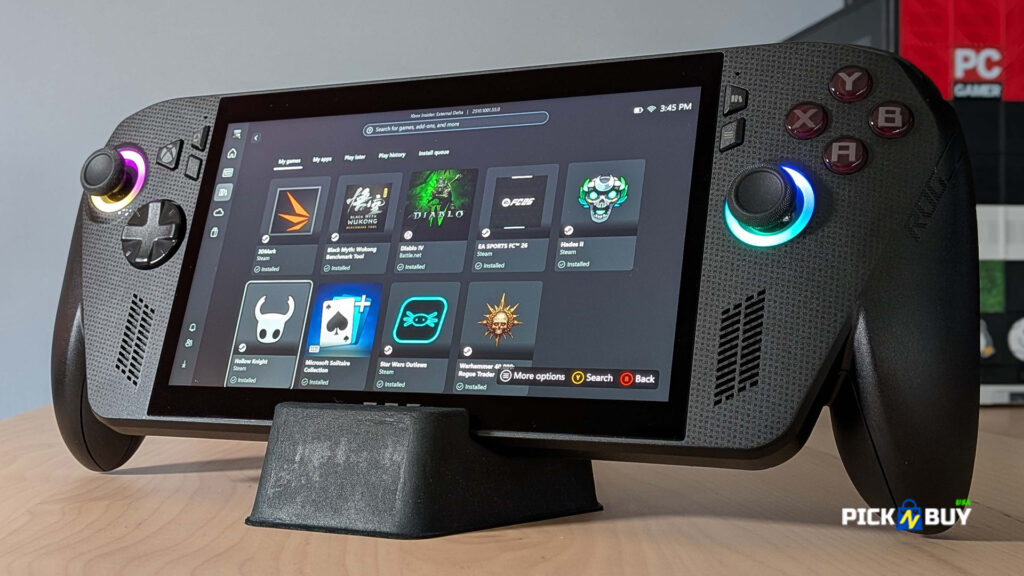
Pros:
- Excellent AAA gaming performance
- Xbox-optimized interface is easy to navigate
- Comfortable Xbox-inspired ergonomic grips
- Large 80Wh battery for longer gaming sessions
- Supports external GPU connections
- 24GB RAM and 1TB expandable storage
Cons:
- IPS display instead of OLED
- Premium price compared to many competitors
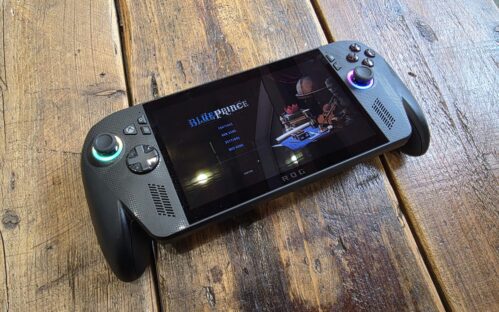
The ASUS ROG Xbox Ally X is built for gamers who want desktop-class performance in a handheld without giving up the familiar Xbox experience. Thanks to its custom full-screen Xbox interface, navigating your game library feels much more natural than using a standard Windows desktop. The large Xbox-style grips make it especially comfortable during long gaming sessions, while the AMD Ryzen AI Z2 Extreme processor and 24GB of RAM provide the power to handle modern AAA games with ease. Its 80Wh battery is one of the biggest on this list, giving you longer play sessions before needing to recharge. If you’re invested in the Xbox ecosystem or want one of the best Windows handhelds available, this is a fantastic choice. The main drawback is its IPS display, which doesn’t deliver the deep contrast and rich blacks of OLED competitors. Overall, the ROG Xbox Ally X combines outstanding performance, comfort, and a refined software experience into one premium handheld.
1. Lenovo Legion Go 2
Pros:
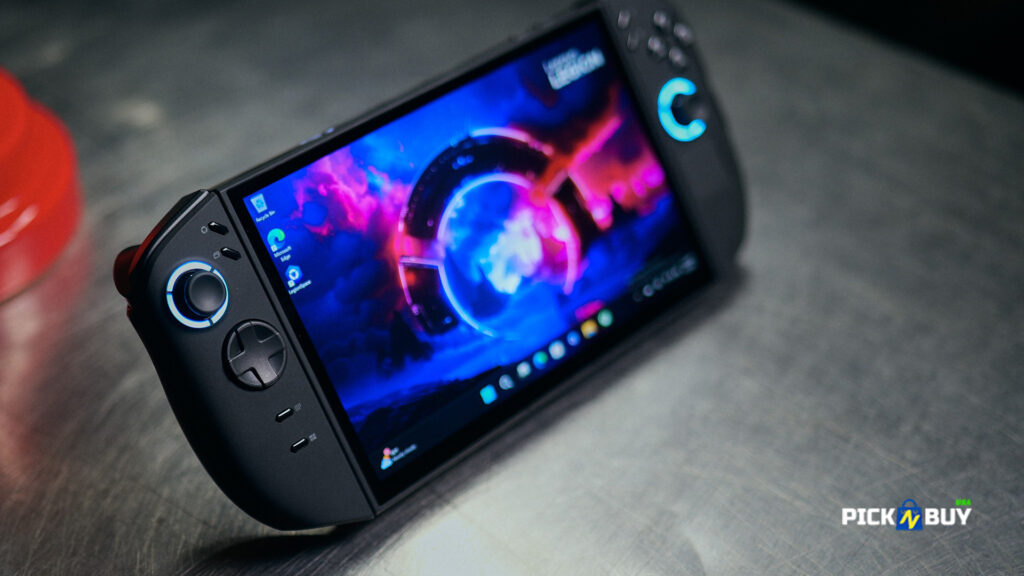
- Outstanding 8.8-inch OLED 144Hz HDR display
- Most powerful performance on this list
- Detachable controllers with tabletop mode
- Up to 32GB RAM and 2TB expandable storage
- Dual high-speed USB-C ports for accessories and displays
- Premium build with fingerprint reader
Cons:
- Most expensive console on the list
- Heavier than competing handhelds, making long sessions less comfortable
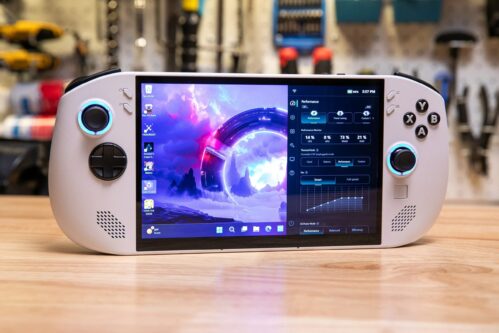
If you want the most complete handheld gaming experience available in 2026, the Lenovo Legion Go 2 takes the top spot. It combines top-tier performance with one of the most versatile designs on the market. The detachable controllers let you switch between handheld and tabletop gaming, and one controller can even function like a mouse for added flexibility. Its massive 8.8-inch OLED display is easily one of its biggest highlights, offering rich colors, deep blacks, a smooth 144Hz refresh rate, and outstanding HDR brightness. Powered by the AMD Ryzen Z2 Extreme processor with up to 32GB of RAM and 2TB of storage, it delivers the strongest performance on this list for demanding PC games. This console is perfect for enthusiasts who want the best portable gaming machine and don’t mind paying a premium. The biggest downside is its weight, as it’s the heaviest handheld here and can become tiring during long sessions. Overall, if your budget allows it, the Legion Go 2 is the ultimate handheld console for power, features, and display quality.
That wraps up our picks for the best handheld gaming consoles you can buy in 2026. Whether you’re looking for the best value, a powerful handheld PC, or a console built around your favorite games, there’s a great option for every type of player and every budget.
If you want the best overall handheld, the Lenovo Legion Go 2 is our top pick thanks to its incredible OLED display, outstanding performance, and versatile design. If you’re after the best Windows gaming experience, the ASUS ROG Xbox Ally X is a fantastic choice. For PC gamers who want excellent value, the Lenovo Legion Go S delivers impressive performance without reaching flagship prices. Retro gaming fans and cloud gamers should take a close look at the Odin 3, while the Nintendo Switch 2 remains the go-to option for Nintendo exclusives and casual gaming on the go.
We hope this guide made your decision a little easier. If you’d like to check the latest prices or learn more about any of these handhelds, you’ll find links to all of them below.
Thanks for reading, and we’ll see you in the next buyer’s guide!